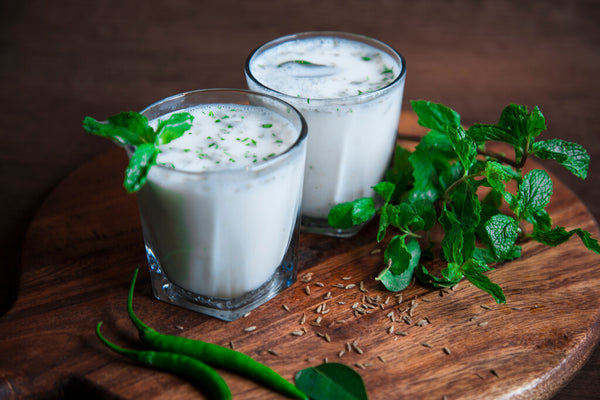
Never Run Out: Your Guide to Easy Buttermilk Substitutes (Dairy-Free & Vegan Options Included!)
Picture this: you've set aside a weekend morning for a stack of fluffy buttermilk pancakes, or perhaps you're halfway through a recipe for that irresistibly tender buttermilk pound cake. You reach for the fridge, only to discover you're fresh out of buttermilk. Don't let a missing ingredient derail your culinary plans! Buttermilk is a fantastic ingredient, revered for its unique tangy flavor, ability to tenderize baked goods, and role as a leavening agent. However, it's not always a pantry staple, making a quick, homemade buttermilk substitute recipe an invaluable tool in any kitchen. The good news? Crafting your own alternative is incredibly easy, often requiring just two common ingredients you likely already have on hand. Even better, we'll show you how to effortlessly create dairy-free and vegan versions, ensuring no one misses out on deliciousness.
Why Buttermilk is a Kitchen Essential (and Why You Need a Substitute)
Buttermilk holds a special place in the hearts of home bakers and cooks alike, thanks to its distinctive properties. Traditionally, buttermilk was the slightly tangy liquid left over after churning butter from cream. This "traditional buttermilk" is rarely found in grocery stores today. What you buy in supermarkets is typically "cultured buttermilk," produced by adding lactic acid bacteria cultures to regular milk, initiating a fermentation process that mimics the natural acidity of traditional buttermilk. This process is key to its unique benefits:
- Tangy Flavor: Buttermilk imparts a pleasant, slightly sour tang that enhances the flavor profile of countless dishes, from fried chicken marinades to creamy salad dressings.
- Thicker Consistency: Its thicker, creamier texture compared to regular milk contributes to a richer mouthfeel in recipes.
- Tenderizing Power: The lactic acid in buttermilk works wonders as a tenderizer for meats and vegetables, breaking down tough fibers and ensuring juicy, succulent results.
- Leavening Agent: Crucially, buttermilk's acidity reacts with alkaline leavening agents like baking soda, producing carbon dioxide bubbles. This reaction helps batters and doughs rise beautifully, resulting in lighter, airier, and more tender baked goods like biscuits, muffins, and cakes.
Given its specialized uses, many people don't keep buttermilk in their fridge constantly. This is precisely why knowing how to whip up an effective substitute on the fly is such a game-changer. You'll never have to abandon a recipe again!
The Classic Homemade Buttermilk Substitute Recipe (Just 2 Ingredients!)
The simplest and most reliable homemade buttermilk substitute recipe requires only two ingredients: milk and an acid. This method creates a perfectly tangy, slightly thickened liquid that behaves much like store-bought buttermilk in most recipes.
What You'll Need:
- 1 cup of milk: You can use any type of dairy milk (whole, 2%, 1%, skim).
- 1 tablespoon of acid: Distilled white vinegar or fresh lemon juice are the most common and effective choices. Apple cider vinegar can also work, though its flavor might be slightly more noticeable.
Step-by-Step Instructions:
- Combine Ingredients: Pour the milk into a measuring cup or small bowl. Add the tablespoon of your chosen acid (vinegar or lemon juice) to the milk.
- Let it Sit: Gently stir the mixture once. Then, allow it to sit undisturbed for 5 to 10 minutes at room temperature. During this time, the acid will react with the milk proteins, causing it to visibly curdle and thicken slightly. Don't worry, this "curdling" is exactly what you want! It indicates the formation of lactic acid, mimicking real buttermilk.
- Stir and Use: After 5-10 minutes, give the mixture another quick stir to ensure it's well combined. The texture and consistency should be similar to traditional buttermilk. You now have 1 cup of homemade buttermilk substitute, ready to use in your recipe just as you would store-bought buttermilk.
Pro Tip: For best results, use milk that is at or close to room temperature. Cold milk can take a bit longer to curdle effectively. If you need a different quantity, simply scale the recipe: for every cup of milk, add one tablespoon of acid. For example, for ½ cup of buttermilk, use ½ cup milk and ½ tablespoon of acid.
Exploring Dairy-Free and Vegan Buttermilk Alternatives
For those following dairy-free, vegan, or allergy-conscious diets, the good news is that creating a plant-based buttermilk substitute is just as straightforward. The same two-ingredient principle applies, simply swapping out dairy milk for your favorite non-dairy option.
How to Make Dairy-Free/Vegan Buttermilk:
- 1 cup of non-dairy milk: Excellent choices include almond milk, soy milk, oat milk, coconut milk (the beverage kind, not canned), or rice milk.
- 1 tablespoon of acid: Again, distilled white vinegar or fresh lemon juice work perfectly.
Dairy-Free/Vegan Instructions:
Follow the exact same steps as the classic method:
- Combine 1 cup of your chosen non-dairy milk with 1 tablespoon of vinegar or lemon juice.
- Stir once and let it sit for 5-10 minutes.
- Stir again and use!
Considerations for Non-Dairy Milks:
- Curdling Efficacy: Soy milk and oat milk tend to curdle quite effectively, often showing visible signs of thickening similar to dairy milk. Almond milk also works well, though the curdling might be a bit less pronounced. Rice milk and thinner coconut milk beverages may curdle subtly but will still provide the necessary acidity.
- Flavor Profile: Be mindful that some non-dairy milks have stronger inherent flavors (e.g., coconut milk). Choose an unsweetened, plain variety to avoid altering the taste of your final dish.
- Creaminess: For recipes where richness is desired, a thicker non-dairy milk like full-fat oat milk or soy milk might yield a result closer to dairy buttermilk.
This simple swap ensures that everyone can enjoy the tender texture and tangy flavor that buttermilk brings to recipes, regardless of dietary restrictions.
Other Convenient Buttermilk Substitutes for Your Pantry
While the milk-and-acid method is a go-to, there are several other excellent substitutes you can use, depending on what you have available. Each of these options is generally equivalent to 1 cup of buttermilk.
Plain Yogurt or Greek Yogurt
If you have plain yogurt in your fridge, you're in luck! Its natural tanginess and creamy texture make it a fantastic substitute. How to use: Use 1 cup of plain, unsweetened yogurt (regular or Greek). If it's very thick (like Greek yogurt), you might want to thin it slightly with a tablespoon or two of water or regular milk to achieve a consistency closer to buttermilk. Stir well before adding to your recipe.
Kefir
Kefir is a fermented milk drink with a consistency and tangy flavor very similar to buttermilk, making it a nearly perfect 1:1 swap. How to use: Simply use 1 cup of plain, unsweetened kefir in place of 1 cup of buttermilk.
Sour Cream
Another dairy product with a high fat content and tangy flavor, sour cream can be easily thinned to mimic buttermilk. How to use: Combine ¾ cup of sour cream with ¼ cup of water or regular milk (dairy or non-dairy). Whisk until smooth and uniform in consistency before using.
Cream of Tartar + Milk
Cream of tartar is a powdered acid that can replicate buttermilk's leavening properties when combined with milk. How to use: Whisk 1 ¾ teaspoons of cream of tartar into 1 cup of regular milk (dairy or non-dairy). Let it sit for a few minutes to allow the acid to fully dissolve and react. This option is particularly good for baking where the acidic reaction is crucial.
Buttermilk Powder
For avid bakers who frequently use buttermilk, buttermilk powder can be a practical pantry staple. It's dehydrated buttermilk that reconstitutes with water. How to use: Follow the package directions, but typically, you'll mix ¼ cup of buttermilk powder with 1 cup of water to create a cup of buttermilk substitute. This is an excellent option for long-term storage and convenience, though it's less common for an emergency "out of buttermilk" situation. For more ideas and handy substitutions, check out our guide on Buttermilk Gone? Whip Up a Perfect Substitute for Any Recipe.
Practical Tips for Using Your Homemade Buttermilk Substitute
- Temperature Matters: As mentioned, using milk closer to room temperature for the acid-and-milk method can speed up the curdling process and lead to better results.
- Measure Precisely: The acid-to-milk ratio is important for achieving the correct tang and leavening potential. Stick to 1 tablespoon of acid per 1 cup of milk.
- Don't Rush the Rest: Give your substitute the full 5-10 minutes to sit. This allows the acid ample time to react with the milk proteins, creating the desired texture and acidity.
- Mix Well: Before adding your substitute to a recipe, give it a final stir to ensure any curdled bits are evenly distributed, contributing to a consistent texture.
- Storage: Homemade buttermilk substitutes are best made fresh and used immediately. Unlike commercial buttermilk, they are not designed for long-term storage in the refrigerator.
- Recipe Adjustments: In most cases, you can use your homemade substitute cup-for-cup in any recipe that calls for buttermilk without needing to make other adjustments. The slight tang and acidity will perform the same functions.
Conclusion
Running out of buttermilk no longer needs to be a crisis in the kitchen. With these simple and effective homemade buttermilk substitute recipes, you're empowered to create delicious, tender, and perfectly tangy dishes, whether you're baking fluffy pancakes or marinading chicken. From the classic milk-and-acid combo to versatile dairy-free options and other handy pantry swaps, you now have a toolkit of solutions at your fingertips. So go ahead, bake that cake, fry that chicken, or whip up those biscuits – culinary success is just two ingredients away!
