Picture this: you're halfway through baking a batch of fluffy pancakes, a tender pound cake, or a batch of perfectly flaky biscuits. The recipe confidently calls for buttermilk, and you confidently head to the fridge... only to discover you're fresh out. Panic sets in. Do you abandon your culinary quest? Make a last-minute dash to the store? Absolutely not! The good news is, a perfect homemade buttermilk substitute recipe is not only easy to whip up but often uses ingredients you already have on hand. No more mid-recipe emergencies!
What Makes Buttermilk So Special in Recipes?
Before we dive into creating our substitutes, let's understand why buttermilk is such a star ingredient. Far from being just "buttery milk," traditional buttermilk was historically the slightly tangy liquid left over after churning butter from cultured cream. What we commonly buy in grocery stores today is typically "cultured buttermilk," made by adding beneficial lactic acid bacteria to low-fat milk, initiating a fermentation process.
This process gives buttermilk its signature tang, thicker consistency, and, most importantly for bakers, its acidic properties. This acidity plays a crucial role:
- Leavening Power: In recipes, buttermilk's lactic acid reacts with alkaline leavening agents like baking soda, creating carbon dioxide bubbles. This reaction helps batters and doughs rise, resulting in incredibly light and airy baked goods.
- Tenderizing Effect: The acidity in buttermilk helps to break down gluten strands in flour, contributing to a more tender crumb in cakes, muffins, and breads. It can also tenderize meats and vegetables in marinades.
- Flavor Enhancement: That distinctive tangy flavor adds a wonderful depth and complexity, balancing sweetness and richness in dishes from fried chicken to ranch dressing.
Because of these unique characteristics, simply swapping regular milk for buttermilk often won't yield the same results. That's where our clever homemade substitutes come in!
The Go-To Homemade Buttermilk Substitute: Milk + Acid
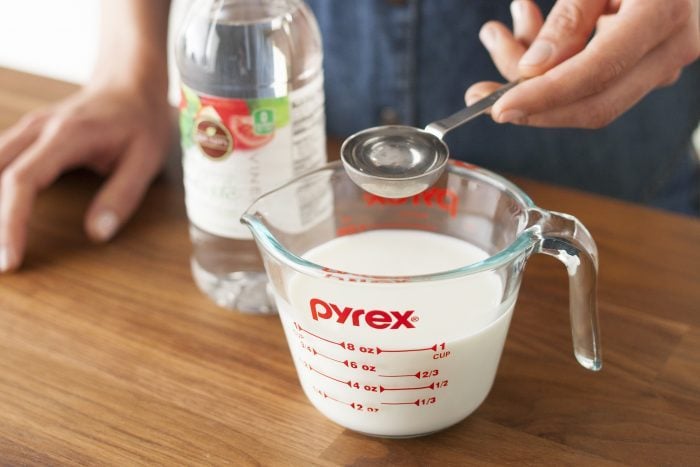
This is arguably the easiest and most common homemade buttermilk substitute recipe, requiring just two ingredients you likely already have. It perfectly mimics the acidity and slight curdling of real buttermilk, making it suitable for almost any recipe.
Ingredients:
- 1 cup (240ml) Milk (dairy or non-dairy, see below for specifics)
- 1 tablespoon (15ml) Acid (distilled white vinegar or fresh lemon juice are best)
How to Make It:
- Combine: Pour 1 cup of your chosen milk into a measuring cup. Add 1 tablespoon of either distilled white vinegar or fresh lemon juice.
- Stir: Give it a quick stir to combine the ingredients.
- Rest: Let the mixture sit undisturbed for 5 to 10 minutes. During this time, you'll notice the milk starting to thicken slightly and develop small curds. This is exactly what you want – it's the acid doing its work!
- Use: Stir the "buttermilk" once more before using it exactly as you would store-bought buttermilk in your recipe.
Pro Tip: If your recipe calls for less than a cup of buttermilk, simply scale down the ingredients. For example, if you need ½ cup of buttermilk, use ½ cup of milk and ½ tablespoon of acid. Remember, precision matters in baking!
For more detailed insights on this foundational method, check out our guide on Easy Homemade Buttermilk Substitute: Just 2 Ingredients.
Beyond Milk and Acid: Other Clever Substitutions
While the milk and acid method is a champion, you might have other ingredients in your fridge that can also step in when buttermilk is needed. Here are a few reliable alternatives, each yielding approximately 1 cup of substitute:
1. Plain Yogurt or Greek Yogurt
Plain yogurt, especially Greek yogurt, is naturally thick and tangy, making it an excellent substitute. It already possesses the acidity needed to react with baking soda. However, it's often much thicker than buttermilk, so you'll need to adjust its consistency.
- To Substitute: Use 1 cup of plain yogurt (or Greek yogurt). If using Greek yogurt, thin it out with 2-4 tablespoons of water or milk until it reaches a pourable consistency similar to buttermilk.
- Best For: Recipes where a slightly thicker texture might be acceptable, like pancakes, muffins, or quick breads.
2. Kefir
Kefir is a fermented milk drink with a consistency similar to thin yogurt and a distinctly tangy, slightly yeasty flavor. It's essentially "drinkable yogurt" and can be used as a direct 1:1 substitute for buttermilk.
- To Substitute: Use 1 cup of plain kefir. No thinning required!
- Best For: Virtually any recipe calling for buttermilk, especially dressings, marinades, or baked goods.
3. Sour Cream + Water or Milk
Sour cream, like yogurt, is cultured and acidic, but typically much thicker than buttermilk. You'll need to thin it down to achieve the right consistency.
- To Substitute: Combine ¾ cup of sour cream with ¼ cup of water or milk. Whisk thoroughly until smooth and pourable.
- Best For: Recipes where a slight richness from the sour cream won't detract, such as cakes, biscuits, or creamy sauces.
4. Milk + Cream of Tartar
Cream of tartar (potassium bitartrate) is an acidic powder often used to stabilize egg whites. It can also provide the necessary acidity when combined with milk.
- To Substitute: Whisk 1 ¾ teaspoons of cream of tartar into 1 cup of milk until dissolved. Let it sit for a few minutes.
- Best For: Baked goods where you want to maintain a very light texture and don't want to introduce any additional flavors from lemon or vinegar.
5. Buttermilk Powder + Water
This option requires you to have buttermilk powder on hand, which is often found in the baking aisle. It's a fantastic long-term solution for those who use buttermilk frequently but don't want to buy fresh cartons regularly.
- To Substitute: Follow the package directions, but typically it's 1 cup of water mixed with ¼ cup of buttermilk powder.
- Best For: Any recipe. It's essentially rehydrated buttermilk, offering the closest taste and consistency.
Dairy-Free and Vegan Buttermilk Alternatives
For those with dairy allergies, lactose intolerance, or following a vegan lifestyle, going without buttermilk doesn't mean missing out on tender bakes. The good news is that the milk + acid method works beautifully with most non-dairy milks!
How to Make Dairy-Free Buttermilk Substitute:
- Ingredients: Use 1 cup of your favorite unsweetened non-dairy milk (almond, soy, oat, coconut, or rice milk all work well) + 1 tablespoon of apple cider vinegar or lemon juice.
- Method: Follow the same steps as the classic milk + acid method: combine, stir, and let it sit for 5-10 minutes until it slightly curdles and thickens.
Considerations for Dairy-Free Options:
- Unsweetened is Key: Always opt for unsweetened non-dairy milks to avoid altering the flavor profile of your recipe.
- Coconut Milk: Full-fat canned coconut milk can work, but it will impart a coconut flavor and has a much thicker consistency. You might need to thin it slightly with water and use it in recipes where coconut flavor is welcome. Lighter, carton-style coconut milk is usually a better direct swap.
- Soy Milk: Tends to curdle most reliably and effectively with acid, making it an excellent choice.
- Oat Milk: A good all-around option that typically provides a neutral flavor and good curdling.
It's incredibly simple to adapt your cooking and baking for dietary needs without compromising on texture or taste. For more in-depth information and specific tips on choosing the best non-dairy options, refer to our article on Easy Buttermilk Substitutes: Dairy-Free & Vegan Options.
Choosing the Right Substitute for Your Recipe
While most of these substitutes work well across the board, sometimes one is a better fit than another:
- For General Baking (Cakes, Muffins, Pancakes): The milk + acid method (with vinegar or lemon juice) is your most versatile and reliable option. It introduces the necessary acidity without significantly altering the texture or flavor.
- For Thicker Batters (Biscuits, Scones): Yogurt or sour cream, once thinned, can add a lovely richness and provide the desired acidity. Their natural thickness might even contribute to a slightly denser, more satisfying crumb in some recipes.
- For Marinades and Dressings: Kefir is fantastic for these applications due to its thinner consistency and tangy flavor profile, which closely matches traditional buttermilk. The milk + acid substitute also works perfectly here.
Remember that the goal is to replicate the *acidity* and *consistency* of buttermilk. As long as you achieve those two elements, your recipe should turn out beautifully.
Never let an empty carton of buttermilk derail your cooking or baking plans again! With these simple and effective homemade buttermilk substitute recipe options, you're always prepared. From the classic milk and acid to ingenious dairy-free variations, you have a pantry full of solutions to ensure your pancakes are fluffy, your biscuits are tender, and your cakes are moist and tangy. Happy baking!
