Unlock Baking & Cooking Success with an Easy Homemade Buttermilk Substitute
Ever found yourself halfway through a beloved recipe—perhaps for fluffy pancakes, tender biscuits, or a moist caramel cake—only to discover your carton of buttermilk is empty? It's a common kitchen dilemma that can bring your culinary ambitions to a screeching halt. But don't despair! You don't need to make an emergency run to the grocery store. With just two simple ingredients you likely already have on hand, you can whip up an effective homemade buttermilk substitute recipe that performs beautifully in almost any dish.
Buttermilk is a star ingredient, cherished for its unique tangy flavor, creamy texture, and incredible ability to tenderize baked goods and react with leavening agents for an amazing rise. While store-bought cultured buttermilk is convenient, learning how to create a stand-in means you're never more than five minutes away from achieving that signature buttermilk magic. In fact, many professional bakers and home cooks alike swear by this quick and easy solution. If you've ever thought, "Buttermilk gone? Whip Up a Perfect Substitute for Any Recipe," then you're in the right place!
Understanding Buttermilk: The Secret to Its Magic
Before diving into our easy substitute, let's briefly understand what makes buttermilk so special. Traditionally, buttermilk was the slightly tart, thin liquid left behind after churning butter from cultured cream. This "traditional buttermilk" was naturally rich in lactic acid.
Today, the buttermilk you find in most grocery stores is "cultured buttermilk." It's made by adding a specific bacterial culture to regular milk, which then ferments. This fermentation process produces lactic acid, mimicking the tang and slight thickness of traditional buttermilk. It's this lactic acid that's the true hero, imparting several key benefits to your cooking and baking:
- Tangy Flavor: Adds a pleasant, slightly sour note that enhances many recipes, from dressings to desserts.
- Tenderizing Agent: The acidity helps break down gluten in flours and proteins in meats, resulting in incredibly tender textures.
- Leavening Power: Lactic acid reacts with alkaline leavening agents like baking soda, producing carbon dioxide bubbles that help batters and doughs rise beautifully, creating light and airy results.
- Thicker Consistency: Contributes to a richer mouthfeel and helps create stable emulsions in sauces and dressings.
Your Go-To Homemade Buttermilk Substitute Recipe: Just 2 Ingredients!
The beauty of this method lies in its simplicity and effectiveness. We're essentially mimicking the lactic acid component of cultured buttermilk by combining regular milk with an acidic agent. This causes the milk proteins to curdle slightly and thicken, delivering a similar consistency and chemical reaction needed for your recipes.
Ingredients You'll Need:
For 1 cup of homemade buttermilk substitute, you will need:
- 1 cup Milk: Any percentage of dairy milk (whole, 2%, 1%, skim) will work. The higher the fat content, the richer your substitute will be, but even skim milk will activate the acid.
- 1 Tablespoon Acidic Agent: Choose one of the following:
- Distilled White Vinegar: A kitchen staple, readily available and imparts a neutral tang.
- Fresh Lemon Juice: Offers a brighter, citrusy tang that can be lovely in certain recipes, especially those where a hint of lemon is welcome.
- Apple Cider Vinegar: Provides a slightly fruitier, more robust flavor that can complement rustic or savory dishes.
Step-by-Step Instructions:
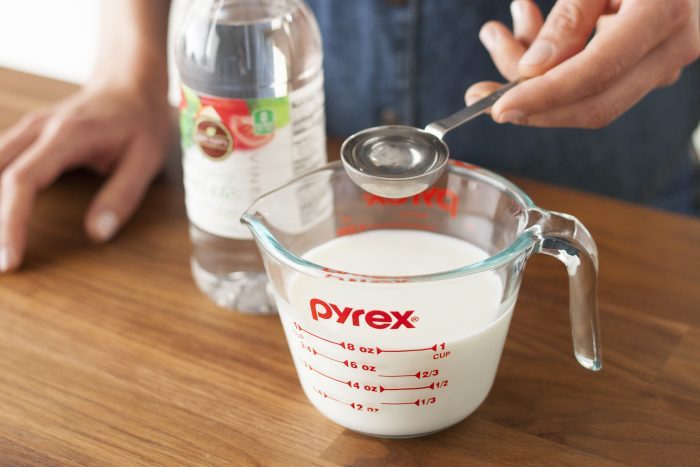
- Prepare Your Ingredients: Measure out 1 cup of milk into a liquid measuring cup or bowl.
- Add the Acid: Pour 1 tablespoon of your chosen acidic agent (vinegar or lemon juice) directly into the milk.
- Stir and Wait: Give the mixture a gentle stir to combine. Then, let it sit undisturbed at room temperature for about 5 minutes. During this time, you'll notice the milk beginning to thicken and appear slightly curdled. This is exactly what you want! The acid is reacting with the milk proteins.
- Give a Final Stir & Use: After 5 minutes, stir the mixture again. The consistency will be similar to thinner plain yogurt or actual buttermilk. Your homemade buttermilk substitute recipe is now ready to use in any recipe that calls for buttermilk!
Pro Tip: If your recipe calls for a specific amount of buttermilk (e.g., 1 ½ cups), simply scale up the ingredients proportionally. For 1 ½ cups of substitute, you'd use 1 ½ cups of milk and 1 ½ tablespoons of acid.
Why This Method Works So Well
The magic behind this simple homemade buttermilk substitute recipe lies in the science of acidification. When an acid (like vinegar or lemon juice) is introduced to milk, it lowers the pH, causing the milk's casein proteins to coagulate or "curdle." This process mimics the effect of the lactic acid produced by bacteria in cultured buttermilk.
The slightly thickened, tangy mixture you create behaves very similarly to store-bought buttermilk. It provides the necessary acidity to react with baking soda (creating those essential carbon dioxide bubbles for lift) and contributes to the tender texture and distinctive flavor profile that makes buttermilk so prized in baking and cooking.
Beyond the 2-Ingredient Wonder: Other Reliable Substitutes
While the milk-and-acid method is our top pick, there are other situations where different substitutes might be more convenient or suitable based on what you have available. Each of these options is equivalent to 1 cup of buttermilk:
- 1 cup Plain Yogurt or Greek Yogurt: If using thick Greek yogurt, thin it down with a splash of water or milk until it reaches a pourable consistency. The natural tanginess works perfectly.
- 1 cup Plain Kefir: Kefir is a fermented milk drink with a similar tangy flavor and pourable consistency, making it a direct substitute.
- ¾ cup Sour Cream + ¼ cup Water or Milk: Stir them together until smooth. The richness and acidity of sour cream are a great stand-in.
- 1 cup Milk + 1 ¾ teaspoons Cream of Tartar: Whisk the cream of tartar into the milk until dissolved. Let it sit for a few minutes to allow the acid to work.
- 1 cup Water + ¼ cup Buttermilk Powder: This shelf-stable option is excellent for emergencies. Follow package directions for rehydration.
Making It Dairy-Free and Vegan: Inclusive Buttermilk Substitutes
For those with dairy allergies, lactose intolerance, or who follow a vegan lifestyle, you absolutely don't have to miss out on buttermilk's benefits. Our primary homemade buttermilk substitute recipe is incredibly versatile and can be easily adapted using non-dairy milks. For more in-depth guidance on this, check out our article on Easy Buttermilk Substitutes: Dairy-Free & Vegan Options.
To make a dairy-free or vegan buttermilk substitute:
- Choose Your Non-Dairy Milk: Select your favorite unsweetened, unflavored non-dairy milk. Popular choices include:
- Almond Milk
- Soy Milk
- Oat Milk
- Coconut Milk (be aware of the distinct coconut flavor)
- Rice Milk
- Add Acid: Follow the same ratio: 1 cup of non-dairy milk + 1 tablespoon of distilled white vinegar or fresh lemon juice.
- Rest and Use: Stir well and let it sit for 5-10 minutes. While non-dairy milks may not curdle as visibly or thicken as much as dairy milk, the acidity will still be present and perform the necessary function in your recipe.
Important Note: The best non-dairy milk for this substitute tends to be soy milk, as its protein structure reacts most similarly to dairy milk. However, all options listed above will still provide the crucial acidity needed for leavening and tenderness.
Tips for Success and Storage
- Freshness Matters: Ensure your milk and acidic agents are fresh for the best results.
- Temperature: Room temperature milk will react faster than cold milk.
- Don't Overdo the Acid: Stick to the recommended 1 tablespoon per cup of milk. Too much acid can result in an overly sour flavor or an undesirable texture.
- Use Immediately: While your homemade substitute is perfectly good for cooking and baking, it doesn't have the same shelf life as cultured buttermilk. It's best to prepare and use it right away.
- Flavor Nuances: Be mindful that lemon juice can impart a faint lemon flavor, which is usually pleasant but might not be ideal for every recipe. Distilled white vinegar is the most neutral option.
Conclusion
Running out of buttermilk no longer needs to be a recipe-stopping crisis. With this incredibly easy and effective homemade buttermilk substitute recipe requiring just two common ingredients, you can confidently tackle any dish that calls for this tangy, tenderizing liquid. Whether you opt for the classic milk-and-acid method or explore other options like yogurt or kefir, having these substitutions in your culinary arsenal ensures your baked goods will always be fluffy, your marinades tender, and your kitchen adventures stress-free. So go ahead, bake that cake, fry that chicken, or whip up those pancakes—your perfect buttermilk stand-in is ready when you are!
